

Based on research findings regarding privacy deficits in the metaverse and our testing of privacy-friendly design elements, we have developed evaluation criteria and specific recommendations to support developers in designing privacy-friendly virtual environments. These metrics are primarily intended for the design of B2C environments in virtual worlds, such as gaming environments or virtual online shops. Some aspects of the metrics can also be applied to B2B applications, such as in the industrial metaverse, particularly with regard to data protection issues. Other aspects, such as measures to prevent harassment and assault, may be less relevant in practical terms in B2B contexts.
pURPOSE AND HANDLING
These metrics are designed to assist you in systematically incorporating privacy and personal rights considerations throughout the development of applications in the metaverse. They provide a structured framework for identifying typical risks at an early stage and making privacy-friendly design decisions. The metrics can be viewed via the drop-down menus for the topic areas „Data Protection“ and „Personal Rights“. For each thematic area, you will find key questions that will assist you in critically evaluating your application – for example, with regard to data collection, consent or protection against abusive behaviour.
When you click on a key question, you will find various points to consider regarding that question on the next level. Legally binding statements are shown in red, whilst recommended points are shown in green. On the next level, legal explanations are provided for each point, and in some cases implementation recommendations or design proposals are presented.
You can use the metrics flexibly:
- for an initial assessment during the development phase
- to review specific functions during development
- or to evaluate existing applications
You can also work through the individual points step by step, or search directly for implementation guidance on specific issues.
Topics
Data Protection
New data protection risks arise in virtual worlds as a particularly large amount of very precise data is collected and linked together – for example, on movements, behaviour or interactions. Such data can reveal a lot about a person. In addition, there is often data processing that is difficult to understand, complex consent procedures and extensive disclosure to third parties. The metrics show ways in which data can be collected and passed on as minimized as possible and in which users can be informed in an understandable way and make their own decisions.
Personality Rights
In the area of personality rights, new risks are emerging in virtual worlds in the form of harassment, manipulation or social pressuring. Furthermore, the boundaries between public and private spaces are becoming blurred, meaning that personal statements or behavior can be more easily observed, assessed and ultimately exploited. Added to this is the use of social bots, through which users can be specifically influenced, misled or manipulated in the formation of their opinions. This is where the metrics come into play, by defining criteria for respectful interactions, effective protection mechanisms (e.g., blocking and opt-out functions) and transparent and fair design practices.
Data Protection
What measures are taken to ensure that personal data is collected only to the minimum extent necessary?
Personal data is only processed where there is a legal basis for doing so, such as consent or a legitimate interest.
Legal Explanation
Pursuant to Article 6(1) of the GDPR, the processing of personal data is lawful only if there is a legal basis for it. The possible legal bases are listed in letter (a) to (f) of Article 6(1) of the GDPR: consent, contract, compliance with a legal obligation, vital interests, public interest and legitimate interests.
Only personal data that is necessary for the specific purpose of processing is used. This is ensured through appropriate technical and organisational measures.
Legal Explanation
Users have the option to control and minimise data collection by switching sensors on and off.
Legal Explanation
Design proposal: ‘User-controlled data collection via sensors’
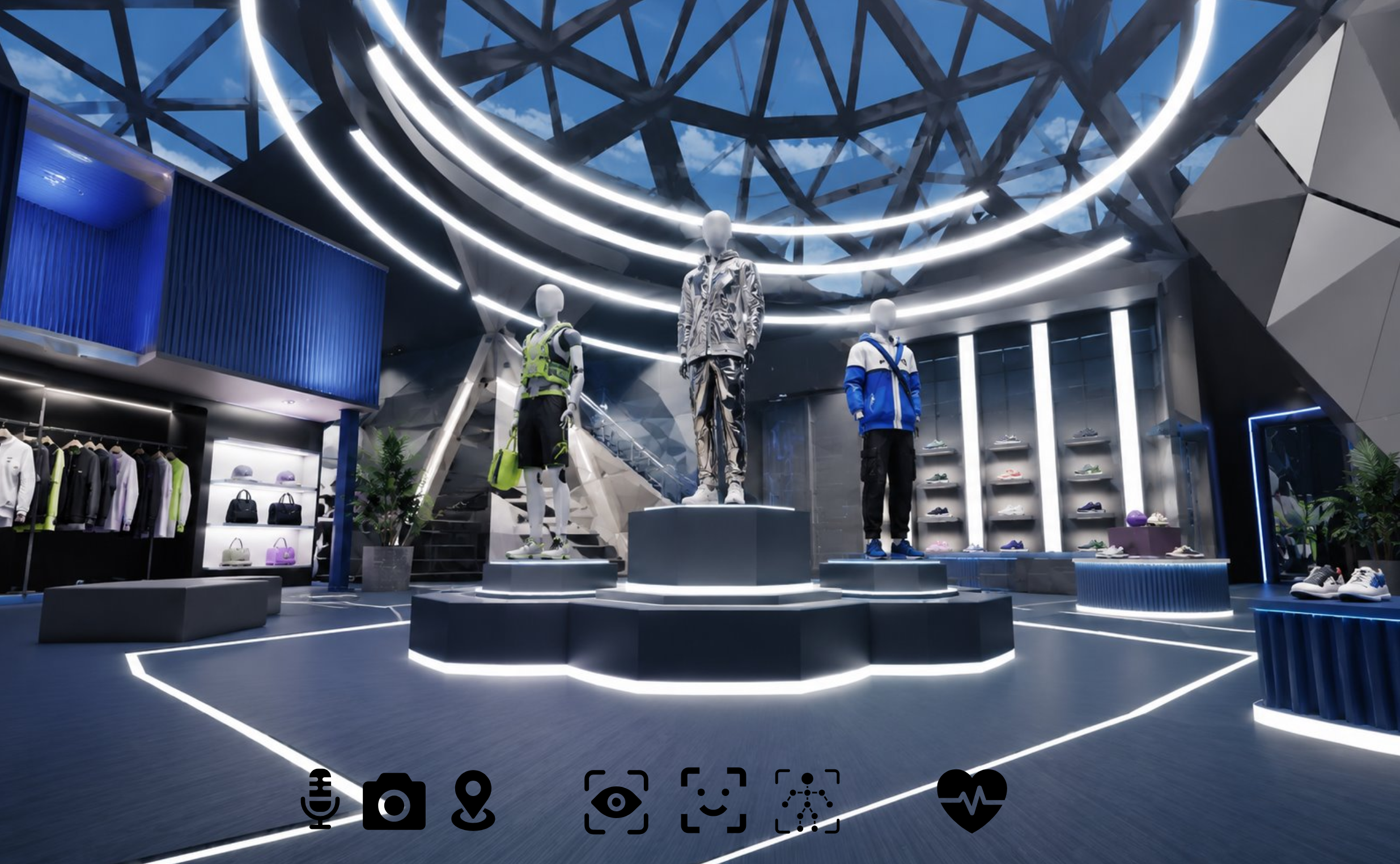
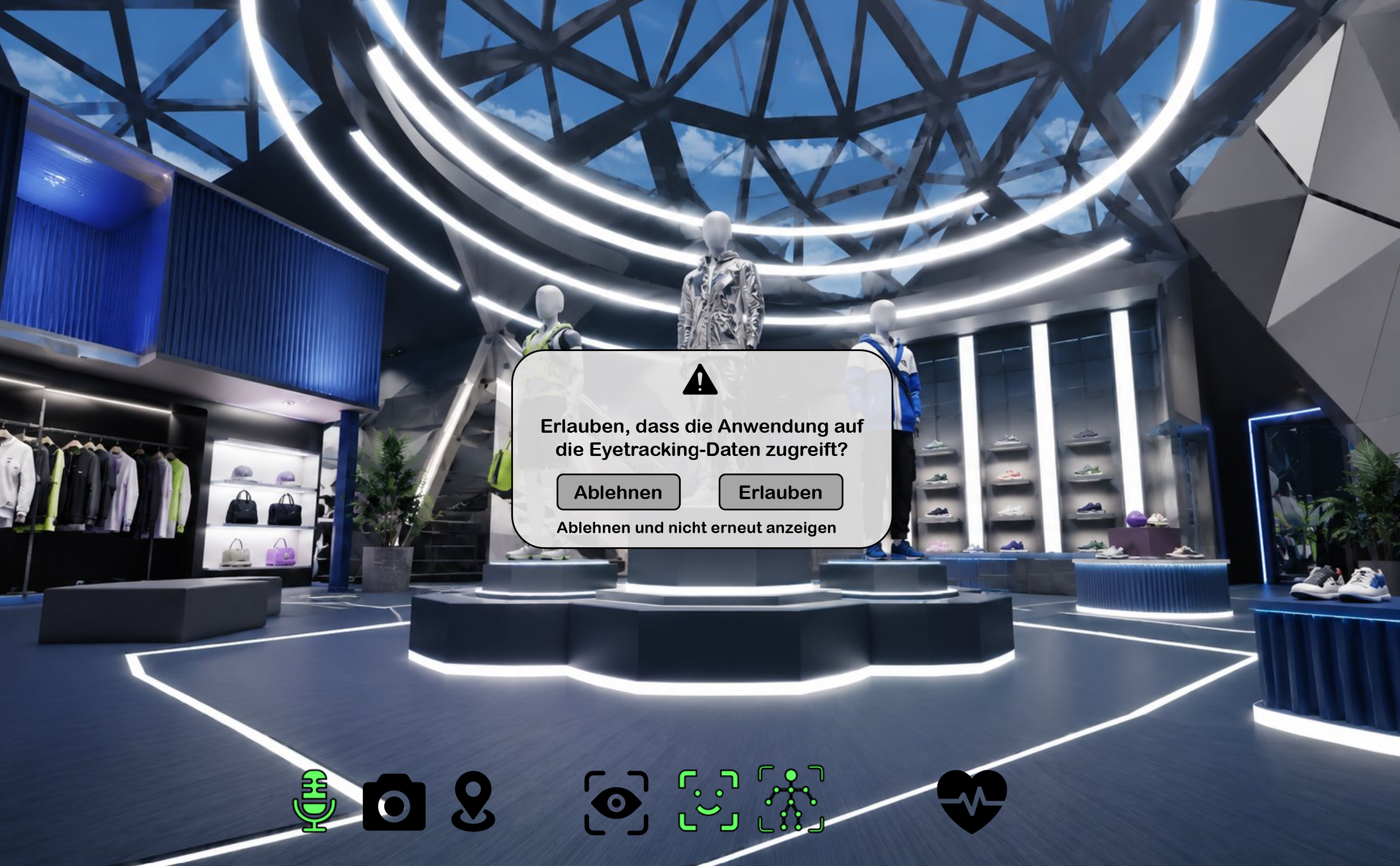
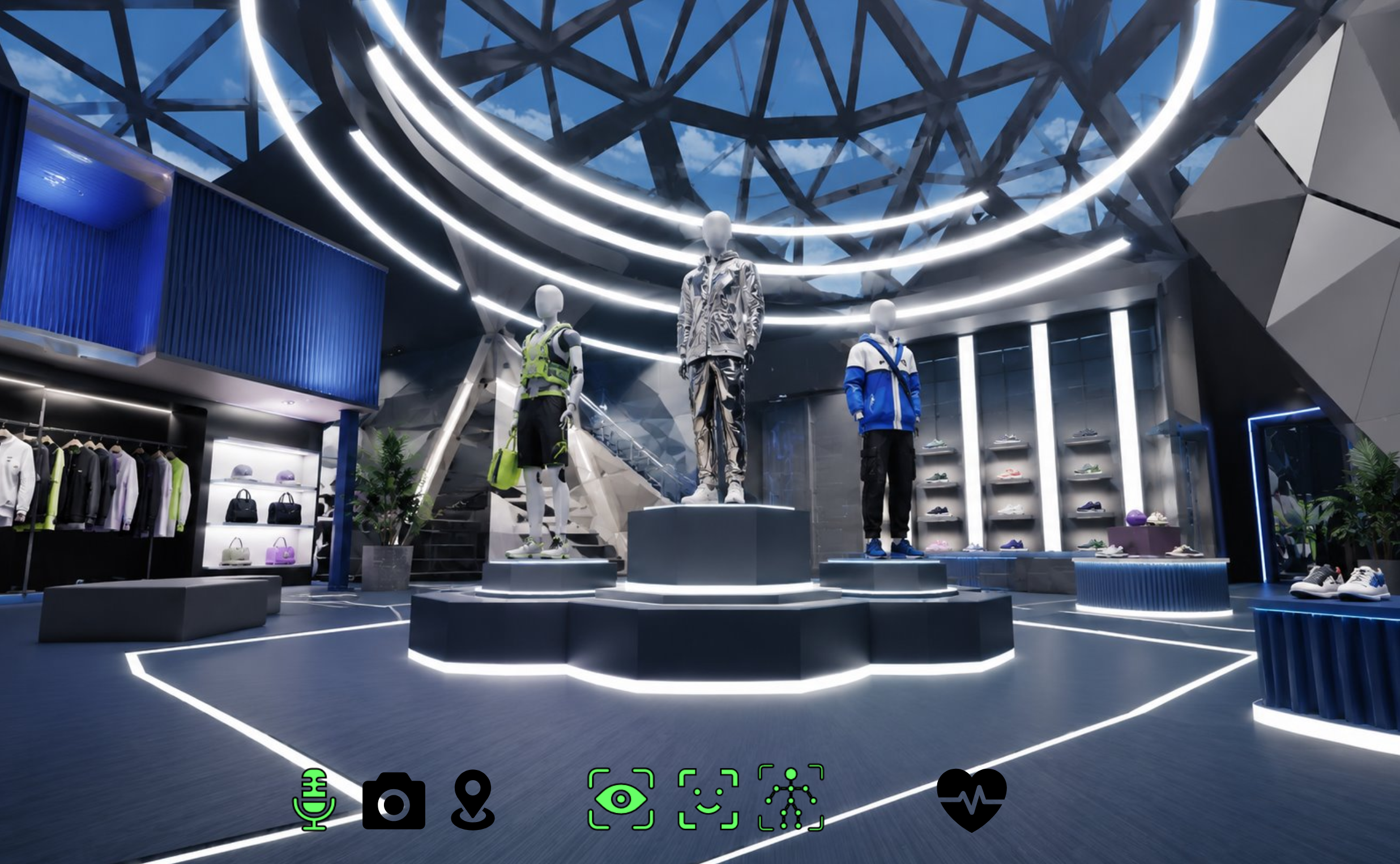
What measures are taken to ensure that personal data is disclosed to third parties only to the minimum extent possible?
Personal data collected is disclosed to third parties only where there is a legal basis for doing so. When data is disclosed to joint controllers and data processors, the respective responsibilities are clearly defined.
Legal Explanation
Data will only be transferred to organisations outside the EU with the explicit consent of the user.
Legal Explanation
The recommendation aims to increase the level of protection when data is transferred outside of the EU.
Legally, there are three different options for permissible data transfers outside the EU:
- the prior explicit consent of the data subject (Art. 49(1)(a) GDPR),
- an adequacy decision by the European Commission regarding the level of data protection in the third country (Art. 45 GDPR)
- appropriate safeguards have been provided by the controller (Art. 46 GDPR).
As the (country-specific) adequacy decisions and conditions for safeguards are often insufficient, it is recommended that data be transferred only on the basis of the data subject’s explicit consent.
Implementation Recommendation
Personal data is not sold to third parties who use it for personalised advertising or to create personality profiles.
Legal Explanation
Implementation Recommendation
To what extent is personal data used for advertising purposes?
Personal data is generally only used for advertising tracking with the consent of the data subject.
Legal Explanation
Under the GDPR, the data subject’s consent is generally required for this (Art. 6(1)(a) in conjunction with Art. 7 GDPR). This applies without exception where cookies are used for tracking (Section 25 TDDDG).
Basing advertising tracking on other legal grounds, such as the necessity of advertising tracking within the context of a contractual relationship or economic interests, has not yet been recognised by ECJ.
Advertisements are not placed based on user profiles, only as part of contextual advertising, i.e. tailored to the content of the pages currently being viewed.
Legal Explanation
Implementation Recommendation
To what extent is personal data deleted?
Personal data is deleted upon request. This applies both to the provider of the initial application and to third parties to whom data has been disclosed on their behalf.
Legal Explanation
What measures are taken to ensure that personal data is stored securely?
Technical and organisational measures are in place to ensure an appropriate level of security for personal data.
Legal Explanation
Sensitive personal data (e.g. health data) is processed on the device as far as possible and is not exported to a cloud.
Legal Explanation
The recommendation aims to ensure low-risk data storage on the local device. From a legal perspective, the storage of data in the cloud is subject to a number of additional conditions. This is because, in the case of sensitive data such as health data, cloud computing cannot be justified on the grounds of a legitimate interest within the meaning of Article 6(1)(f) of the GDPR, as is otherwise customary for cloud computing. This generally requires consent in accordance with Article 9(1)(a) of the GDPR. However, numerous other reasons may also necessitate local processing (e.g. lack of control over processors, security risks, or the principles of data minimisation and privacy by design). The controller would have to justify why transmission to the cloud is specifically necessary.
Implementation Recommendation
If data is (required to be) stored in the cloud, it is located in Germany or the EU.
Legal Explanation
Implementation Recommendation
What measures are taken to ensure that users are informed about the use of personal data?
It is clear to users which personal data is processed, to whom it is disclosed, and how it is used.
Legal Explanation
The privacy settings are intuitive for users, easy to find and use.
Legal Explanation
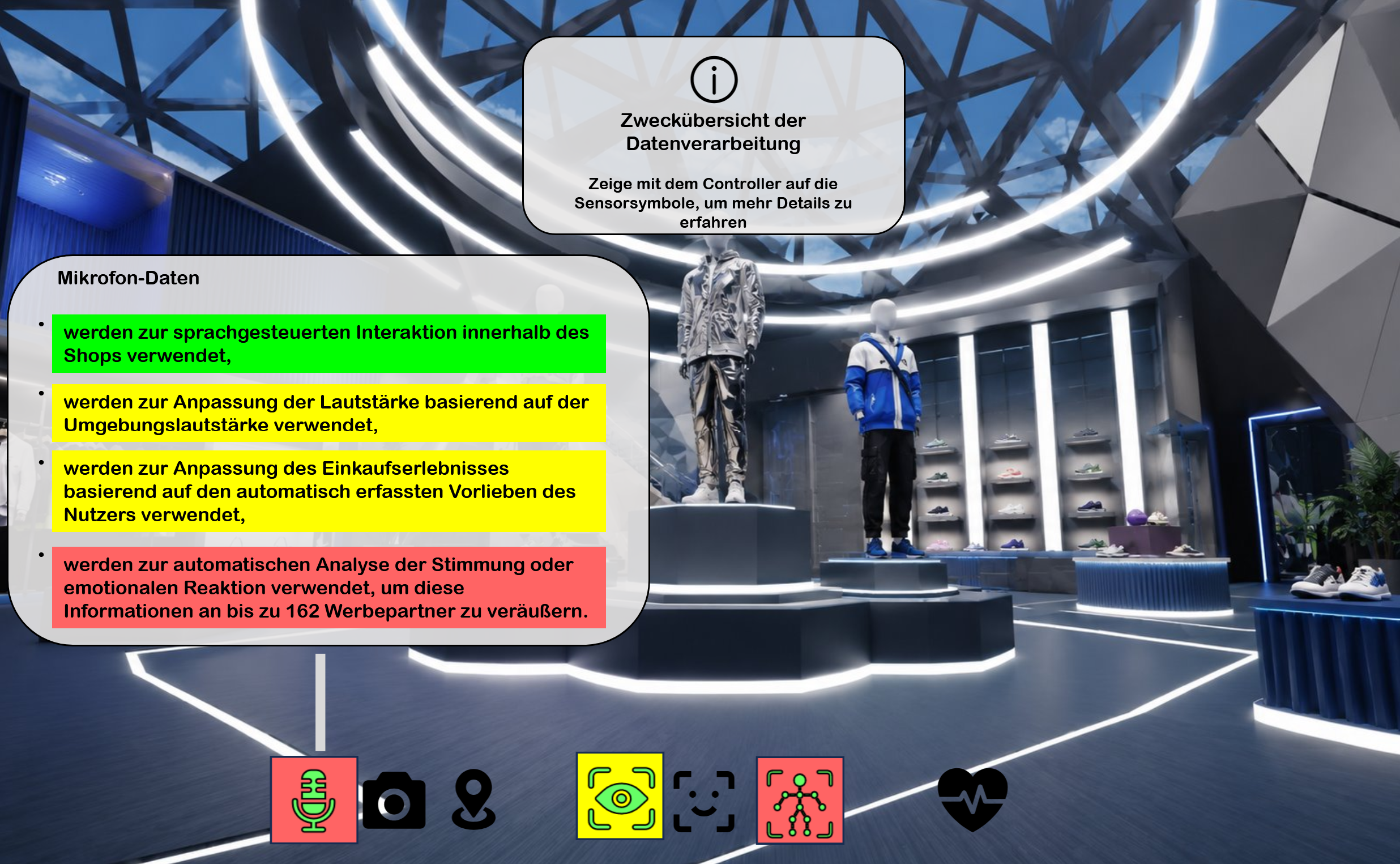
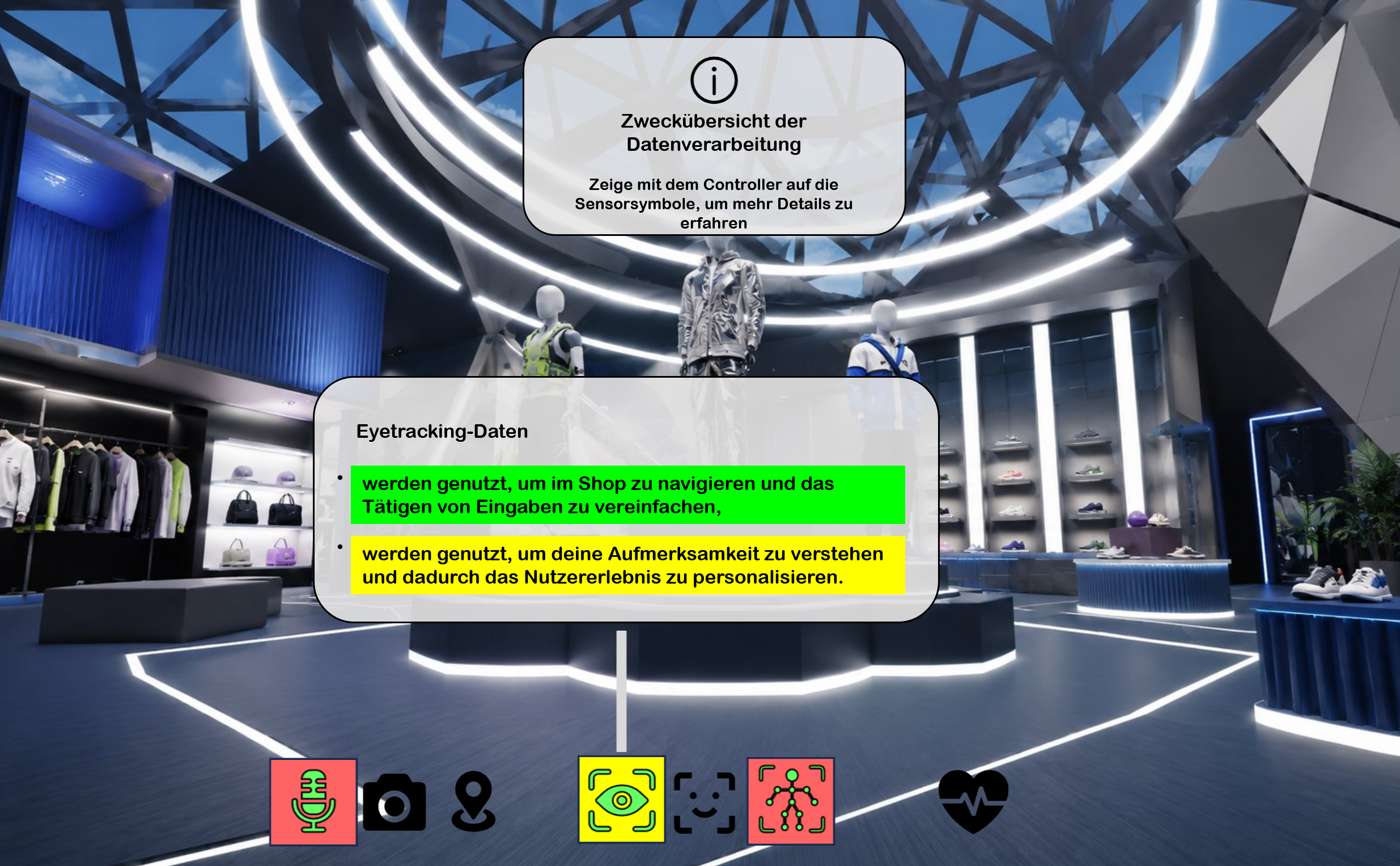
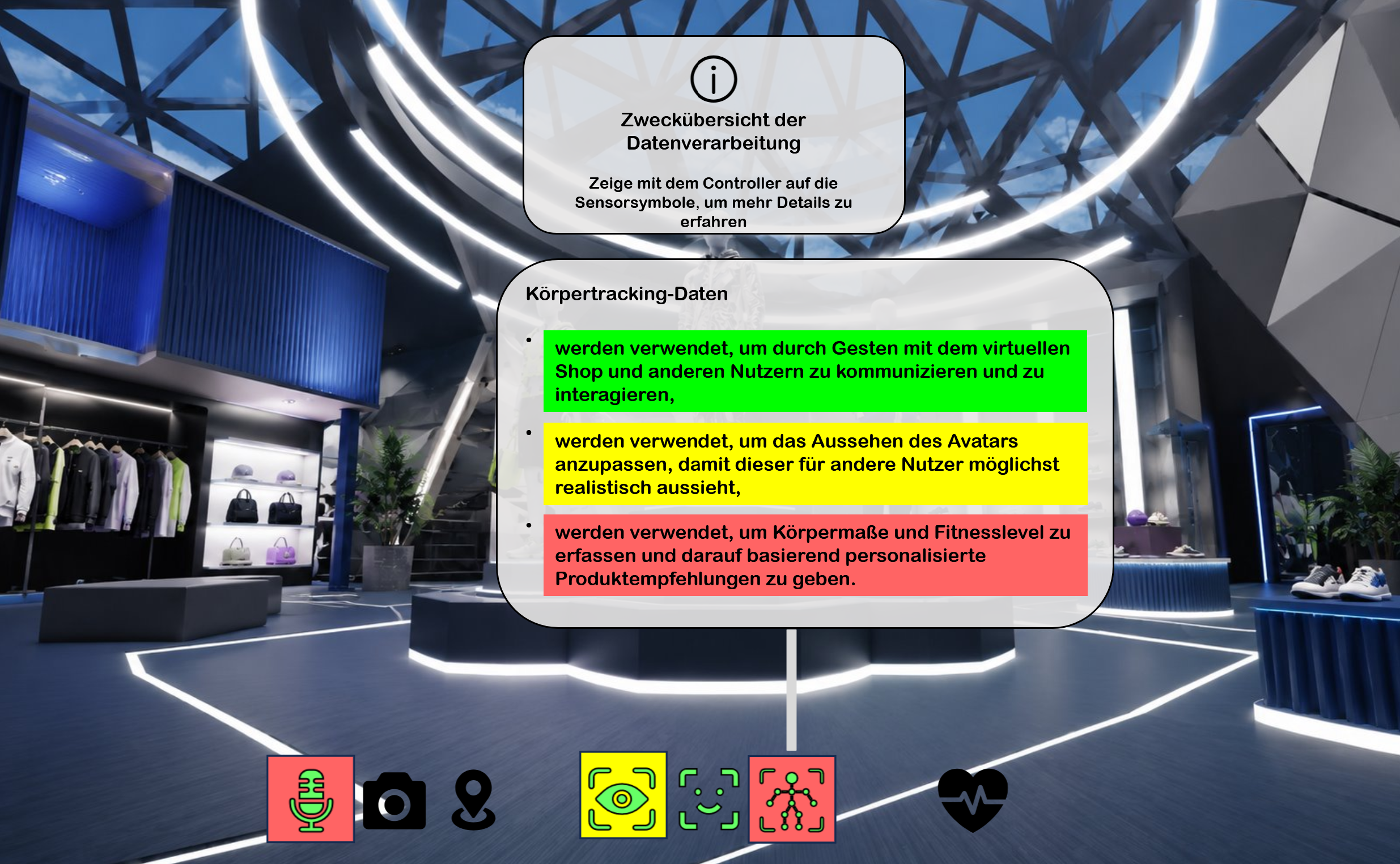
Users can use sensor notifications to keep track of which personal data is being collected.
Legal Explanation
Design proposal: ‘Sensor notifications’
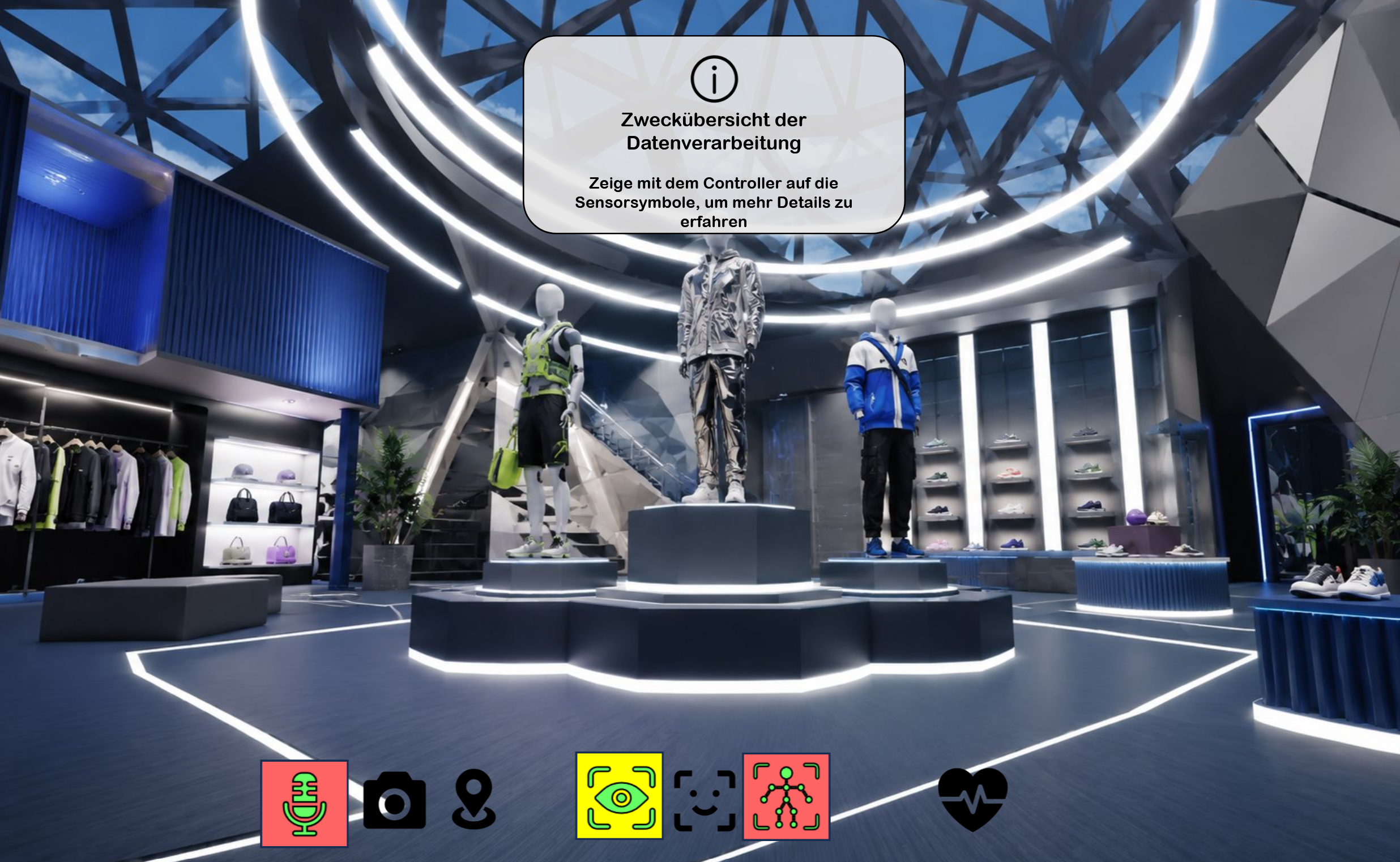
What measures are implemented to enable users to use their data in other applications?
Users can export data in a uniform, standardised format and import it into other applications.
Legal Explanation
Under Article 20 of the GDPR and Article 5(1) of the Data Act, a data subject has the right to have their (personal) data transferred. This must be done in a structured, commonly used and machine-readable format (CSV, JSON, XML, PDF, XLSX, etc.). The aim is to grant data subjects control over their data and to ensure that the method of portability is transparent and verifiable. Additionally, this prevents so-called lock-in effects, which result in users remaining on a single platform. It remains legally unclear whether, in addition to the right to data export, there is also a right to data import.
Implementation Recommendation
What measures are taken to ensure that users can make self-determined consent decisions?
It is ensured that users are capable of giving consent (protection of children and young people).
Legal Explanation
Implementation Recommendation
Insofar as platforms must expect their services to be used by under-16s and insofar as consent is required for such use, proof of age should be introduced by means of ID and photo verification or other recognised mechanisms (in some cases via parts of bank details). Age verification should then be carried out by reliable, state-certified external verification service providers. The data should not be stored in the Metaverse account; only the age should be verified.
It is ensured that ALL users make an INFORMED decision regarding consent.
Legal Explanation
Implementation Recommendation
For users to make an informed decision, it is particularly important that they actually understand the information regarding the data collection covered by the consent. To ensure comprehensibility, it is advisable to conduct user tests on consent forms to assess their informativeness, clarity and comprehensibility, as well as to ensure that the consent texts are tailored to the target audience. Furthermore, consent should be obtained at the appropriate time and within the relevant usage context. In addition, a brief interactive element, such as a quiz as part of the consent process, can be used to verify whether users have actually read and understood the content.
It must be ensured that users make the DECISION regarding consent voluntarily and without pressure or as a result of ‘dark patterns’.
Legal Explanation
For particularly sensitive personal data (e.g. biometric data or health data), ‘explicit consent’ is obtained.
Legal Explanation
Implementation Recommendation
Consent to the collection of sensitive categories of data should not be integrated into general consent, but should be obtained separately and explicitly (e.g. via a separate window or a separate verbal query by a data protection assistant).
The option to give consent is well integrated into the immersive user experience.
Legal Explanation
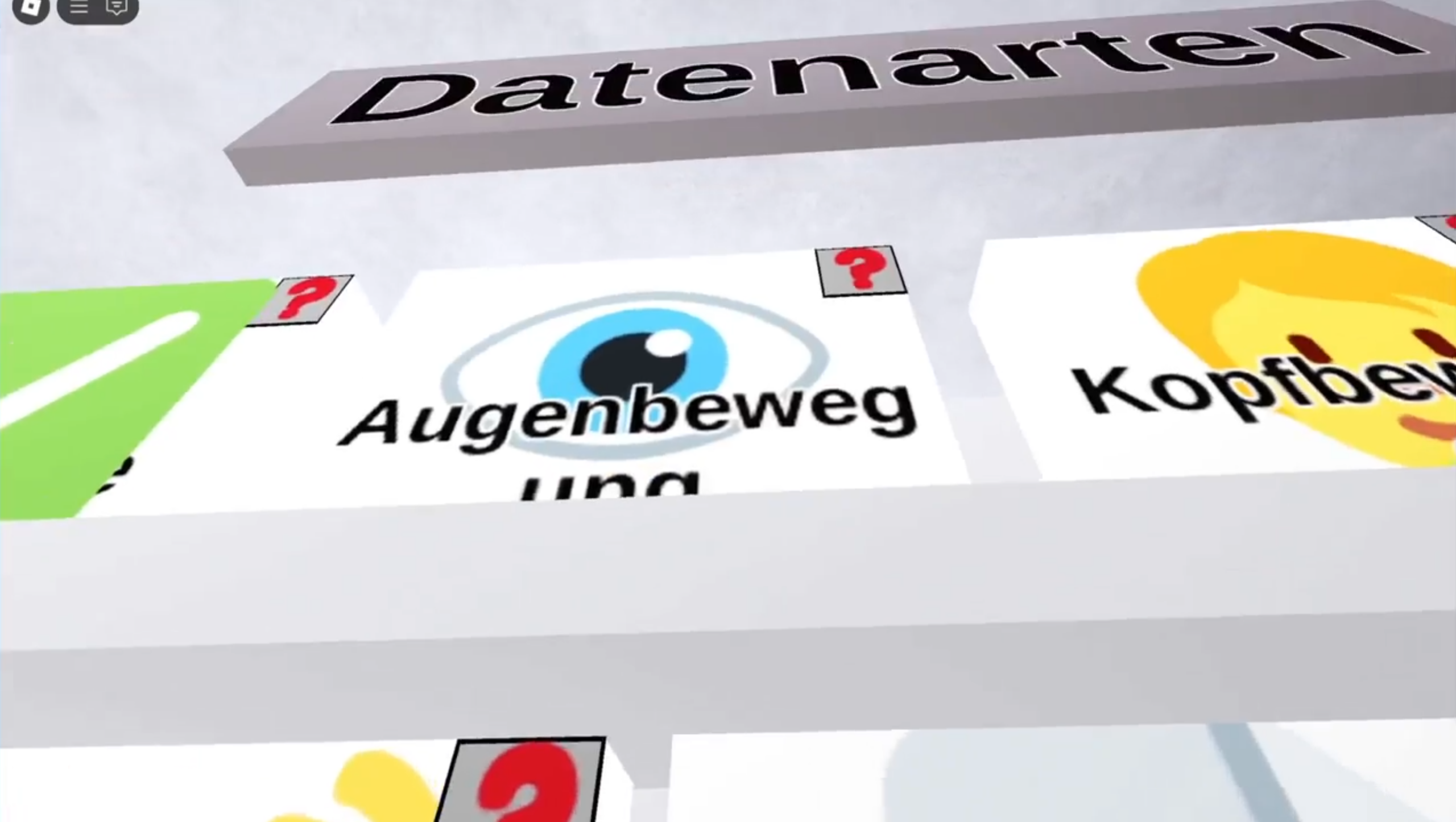
Design proposal: ‘Virtual Consent Assistant’

Consent is obtained or prepared at an earlier stage, for example when the user first accesses the platform, so that their experience is not disrupted by repeated consent requests (PIMS).
Legal Explanation
Design proposal: ‘PIMS pre-consent’


Protection of Personality Rights
What is being done to protect children and adolescents from content that is not age-appropriate and from abuse?
An assessment shall be conducted to determine whether there is any harmful content to children and adolescents, which requires an age rating.
Legal Explanation
Under the German Youth Protection Act (Jugendschutzgesetz – JuSchG) certain games and game-like content without an age rating may not be distributed to children and adolescents or may only be distributed to them with restrictions. This may indirectly result in an obligation to obtain and display a corresponding age rating if the platform offers games or comparable content that fall within the scope of the JuSchG. In practice, age ratings are regularly issued by the USK (Unterhaltungssoftware Selbstkontrolle) as a recognized self-regulation body. However, there is no explicit statutory obligation to undergo a USK review. Nevertheless, if an age rating is used, it must be clearly visible to users in order to comply with statutory youth protection requirements.
Implementation Recommendation
The platform should implement a reliable content moderation system that combines both AI-based procedures and human review to assess (user-)generated content for its suitability for different age groups and subsequently assign an age rating. Every piece of content on the platform should include a corresponding age label as well as additional information that transparently justifies the classification and explains why the content was rated accordingly.
Appropriate measures shall be implemented to protect minors in accordance with the risks associated with the content and to ensure their privacy.
Legal Explanation
Providers are required to put appropriate and proportionate measures in place to ensure a high level of protection of minors (Art. 28 DSA). However, the Regulation does not prescribe specific technical solutions. Age-dependent content filters or automaitc restrictions represent potential measures. The decisive factor is that the means deployed are suitable and proportionate, taking into account the specifics and risks of the content provided as well as the target audience.
Implementation Recommendation
To ensure that users can only perceive age-appropriate content, the age of the user should be provided in a reliable form within their user accounts. Similarly, for all available content it should be indicated which age group can access it. By default, only content with a USK 0 age rating should be accessible. Users should only be able to unlock further content by achieving a higher age level through a verification process.
An assessment is conducted to determine whether and to what extent age verification is required to comply with youth protection requirements and, if necessary, shall be implemented.
Legal Explanation
A general obligation to conduct age verification does not exist for all services but only arises in certain contexts. In particular, it may be required if content is unsuitable or harmful to children and adolescents or if the service is specifically directed at them. Whether and to what extent an age verification is necessary therefore depends on the nature of the service, the target audience and the chosen legal basis for data processing.
Implementation Recommendation
For platforms offering USK 6, 12, 16, and 18 content, age verification should be carried out by means of ID and photo verification. The age should be verified by reliable, state-certified external verification service providers. For this process, personal information should not be comprehensively collected or stored. Instead, only the age should be verified.
Educational material is provided for parents and legal guardians.
Legal Explanation
Platform operators are required to set out clearly in their terms and conditions how they handle harassment, abuse and other unwanted behavior (Art. 14 DSA). This gives rise to a general obligation to inform users. A specific obligation to explicitly inform parents or legal guardians of minor users or to provide separate educational material is not expressly provided for by law. Nonetheless, such offerings can be useful even while going beyond the minimum statutory requirements.
Implementation Recommendation
Platforms should provide easily accessible and understandable educational materials that are, for instance, available on websites and contain clear and practical examples. These materials should be aimed specifically at parents and legal guardians and intended to provide a comprehensive understanding of which activities can take place on the platform, what potential risks children and adolescents may be exposed to, how guardians can recognize whether their children and adolescents are at risk and what measures can be taken to protect them effectively.
What is being done to protect users from harassment and abuse?
Risks of harassment and abuse are assessed and measures shall be taken to mitigate such risks.
Legal Explanation
Very large online platforms shall identify, analyze and assess any systemic risks stemming from the design or operation of their service and its use and they shall take reasonable and proportionate mitigating measures to address these risks (Arts. 34 and 35 DSA). Union law does not explicitly prescribe any specific feature (such as a blocking function). The direct opportunity for affected individuals to protect themselves can constitute a reasonable and proportionate measure to mitigate risks of harassment and abuse of users. This is complemented by the possibility for users to notify problematic content (Art. 16 DSA). From a data protection perspective, it can be inferred that protective mechanisms should, at best, already be integrated into the design of the platform (data protection by design, Art. 25 GDPR).
Implementation Recommendation
Platform providers should continuously monitor (user-generated) content as well as the types of user interactions on the platform, for instance, through socio-demographic methods or the analysis of user interaction and do so in a data protection-compliant manner. On this basis, platforms shall be capable of keeping track of platform activity, identifying new forms of harassment, exploits and policy violations at an early stage and promptly providing appropriate measures to reduce risks.
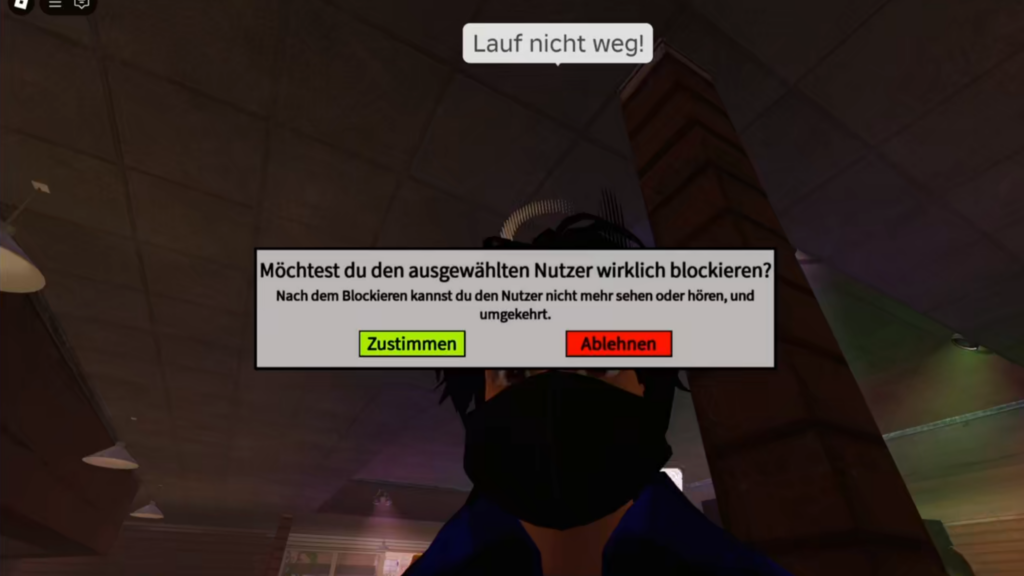
Users can defend themselves against acute harassment or intent to abuse (e.g., through a blocking function).
Legal Explanation
Design proposal: 'Blocking'
Platforms should provide users with protective measures that enable them to reliably protect themselves from threats posed by other users at any time. By means of corresponding features, users must be capable of effectively stopping acute and harmful interactions (via text, voice, avatar movements or system exploits) by other users.
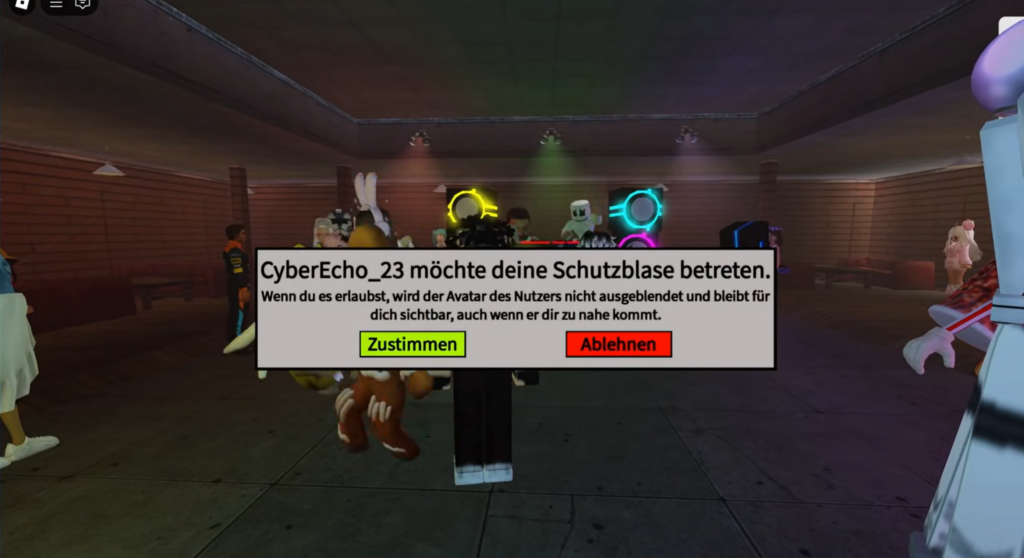
Users can protect themselves systematically and preventively against harassment or intent to abuse (e.g., through default settings regarding visibility to others or minimum distances from other users).
Legal Explanation
The recommendation concerns the specific design of measures for risk mitigation (Arts. 34 and 35 DSA). Features for systematic and preventive self-defense against harassment or intent to abuse represent an obvious and suitable measure to effectively implement these statutory requirements (Arts. 34 and 35 DSA).
Design proposal: 'Safety Bubble'
Platforms should provide users with protective measures that enable them to protect themselves preventively against potential harassment, for instance, through the possibility of restricting interactions with unknown users.
Just as in the real world there are private or protected spaces ('Safe Zones') for users to which they can retreat.
Legal Explanation
An obligation to establish so-called ‚Safe Zones‘ is not explicitly provided for by law. However, the protection of users‘ personality and privacy rights may give rise to an obligation for platforms to take precautions against unwanted surveillance, approach or harassment. Particularly in the case of minors, there is an explicit obligation to implement effective protective measures (Art. 28 DSA). While not legally mandated as a specific technical solution, retreat or protected areas can be a suitable way to fulfill said requirements.
Implementation Recommendation
In addition to publicly accessible areas, platforms should also feature private rooms and spaces where users can remain undisturbed by others. Within these areas, the user should have full control over who is granted access and permitted to enter the space.
Rules of conduct or codes are prescribed and presented to users in a transparent manner.
Legal Explanation
Providers of online platforms are obligated to outline in their terms and conditions, in a transparent manner, which content and conduct are permissible, what restrictions apply and how these rules are enforced (Art. 14(1) DSA). It follows that platforms must prescribe binding and comprehensible rules of conduct that align with the nature of the service and the intended interaction. This is therefore not a voluntary design feature but rather a legally prescribed minimum requirement.
Users will be involved in the development of the rules of conduct or codes.
Legal Explanation
Involving users in the development of rules of conduct and codes is recommended to increase the acceptance and comprehensibility of the rules. It goes beyond the existing statutory requirements and is to be understood as a voluntary measure. Platforms are obligated to establish and make rules of conduct transparent within their terms and conditions (Art. 14 DSA). However, this does not give rise to an obligation to involve users in the development of these rules. Similarly, the GDPR does not impose any general obligation for user participation in the design of such codes.
Implementation Recommendation
It must be ensured that the rules of conduct are appropriate for the intended interactions on the platform (distinguishing between e.g., “shooter games” and spaces dedicated to social interaction and trusted exchange). In designing rules of conduct and codes, the voices of users should be involved to regulate social behavior within the community. Users can either actively participate in drafting new rules or contribute through voting procedures on frameworks proposed by the platform. In this process, the weight of a user’s voice may be increased based on the duration and intensity of their platform usage. Furthermore, the rules of conduct and codes should be reviewed and updated at regular intervals, for example, quarterly, semi-annually or annually, to maintain relevance and accuracy and to account for the shifting interests of the user base.
A moderation, notice, and complaint system shall be provided, which can be invoked in the event of violations of the rules of conduct or the applicable law.
Legal Explanation
Implementation Recommendation
The platform provider should provide a reporting system that enables the reporting of violations of the rules of conduct at any time. Such violations may concern (user-generated) content as well as user interactions (including text, speech, avatar movements and system usage). The incoming reports must subsequently be reviewed through human moderation or an efficient and effective AI-supported system.
Violations of the rules of conduct or applicable law are effectively sanctioned and prevented.
Legal Explanation
Platform provider must define which conduct is impermissible and how rule violations are enforced (Art. 14 DSA). Furthermore, they are obligated to review illegal content and take appropriate moderation measures (Arts. 16 and 17 DSA). In particular, platforms must provide for measures to react to serious or repeated violations of their rules (Art. 23 DSA). This may specifically include the temporary or permanent suspension of usage. This is supplemented by the obligation to implement effective and proportionate measures for risk mitigation (Arts. 33 and 34 DSA). The law does not prescribe a specific technology or method but it does require that non-compliant or harmful behavior is actually and effectively prevented.
Implementation Recommendation
Users who submit a report shall receive feedback confirming that their report has been reviewed, stating what decision was made and outlining the options available to contest this decision.
Legal Explanation
There is an obligation to provide a statement of reasons for content moderation decisions to the affected person whose content or account is restricted (the perpetrator) (Art. 17 DSA). Art. 17 DSA does not provide for an obligation to also inform the injured parties of the reasons or the nature and scope of the measures taken. However, Art. 16(4) and (5) DSA contain the obligation to automatically acknowledge receipt of the notice to the notifying individual or entity without undue delay and to communicate the decision (not the specific measures) regarding the reported content as well as the available legal remedies against it.
Implementation Recommendation
Users who have submitted a report regarding a rule violation should receive detailed feedback within a specified maximum review period following the completion of the investigation by the platform. This feedback shall include the outcome of the review, the decision made and a statement of reasons for that decision. Furthermore, options will be presented to the users outlining how they can initiate further measures if applicable.
Constructive social behavior is promoted through effective measures (e.g., identity management or trust levels).
Legal Explanation
Measures to promote positive behavior can be a suitable means of supporting systemic risk assessment and mitigation obligations (Arts. 34 and 35 DSA) and are recommended accordingly.
.
Implementation Recommendation
To prevent potentially dangerous interactions on platforms and to reduce risks that may emanate from other users, the platform should provide suitable measures that make it easier for users to identify potentially risky actors. This can be achieved, for example, by providing aggregated metadata on user behavior such as in the form of a trust or reputation system, where a trust level is calculated based on factors including account age, activity, reported incidents or determined violations. In addition, an identity management system can be deployed in which verified and authenticated users are labeled and highlighted accordingly. In automated matchmaking, i.e., the assignment of users to servers, the classification can be based, for instance on a trust or reputation system or an identity management system.
Users are informed about the risks of usage and corresponding protective measures in a transparent and comprehensible manner.
Legal Explanation
Comprehensible guidelines on risks and protective measures are recommended to effectively protect the users. This recommendation is, at the same time, an effective measure for practically implementing statutory transparency and protection requirements. Platforms must provide information about their rules and their handling of (problematic) content in their terms and conditions in a transparent and comprehensible manner (Art. 14 DSA). A complementary obligation is also found in data protection law regarding personal data, according to which information must be provided to users in a concise, transparent, intelligible and easily accessible form, using clear and plain language (Art. 12 GDPR). An explicit obligation to generally inform users about all usage risks is not regulated in detail by law.
Implementation Recommendation
The platform should inform users in advance, particularly new users, for instance, by means of an interactive tutorial, on how to detect common violations and problematic content (such as how the reporting system functions or how blocking and the safety bubble work), what risks are associated with the use of the platform and how existing protective measures can be deployed to prevent or deter such violations.
Victims of harassment or abuse are provided with psychological support or they are referred to appropriate nad existing psychological assistance.
Legal Explanation
There is no explicit obligation to offer psychological care directly or to provide external support. Insofar as platforms must take measures to mitigate risks such as harassment or abuse (Arts. 34 and 35 DSA), the provision of information and references to support can be a suitable measure to support affected users and at least mitigate the consequences of such risks.
Implementation Recommendation
Within the settings options or the support section, the platform should offer help and counseling to affected individuals alongside the reporting of violations, for example via telephone or text message. Furthermore, clear information should be provided on where and how affected individuals can obtain suitable support, such as through local or national reporting centers, support organizations and their corresponding hotlines.
What is being done to ensure that users communicate with humans (instead of social bots)?
Social bots (i.e., computer programs that interact with users and convey the impression of a human identity) that use AI systems shall be clearly identified as such by the provider of the AI system. Independently of the use of AI systems, social bots shall be labeled by their users when deployed on social networks. Network providers are not required to ensure such labeling themselves, but must at least enable it. Furthermore, social bots used for sales promotion shall be labeled by the entrepreneur if there would otherwise be a risk of misleading consumers.
Legal Explanation
AI systems that interact with users and are capable of conveying the impression of a human identity shall be identified as such by providers, unless it is obvious to the user that they are interacting with an AI system (Art. 50(1) AI Act). In addition, under German law, there is a labeling requirement for users who deploy social bots on social networks, regardless of whether AI systems are used (Sec. 18(3) MStV). The providers of such networks are not directly bound by this obligation, but must technically provide the possibility for labeling and implement such labels (Sec. 93(4) MStV). Finally, competition law may give rise to a labeling requirement for entrepreneurs who deploy social bots if, without such labeling, consumers would be induced to make a transactional decision due to the false assumption of a human identity (Secs. 3, 5, 5a UWG) – for instance, when supposedly personal and independent purchase recommendations or product reviews are given.
However, not every automated or script-controlled character is subject to a labeling requirement: purely fictional NPCs („non-player characters“), for instance in single-player game worlds, are generally not subject to any labeling obligation, provided that they are recognizably part of a game world and do not appear as real human communication.
Design proposal: 'Labeling of Social Bots'
If social bots are deployed on platforms, they should be clearly labeled so that it is readily apparent to users that these are computer-controlled avatars rather than human beings. The bots should be labeled prior to any interaction, ensuring that users are informed in advance that they are interacting with a bot. Furthermore, transparent information regarding data processing shall be provided, particularly concerning data collection, data storage and the data processors involved, as well as the AI systems used, including their functionality and deployment objectives.
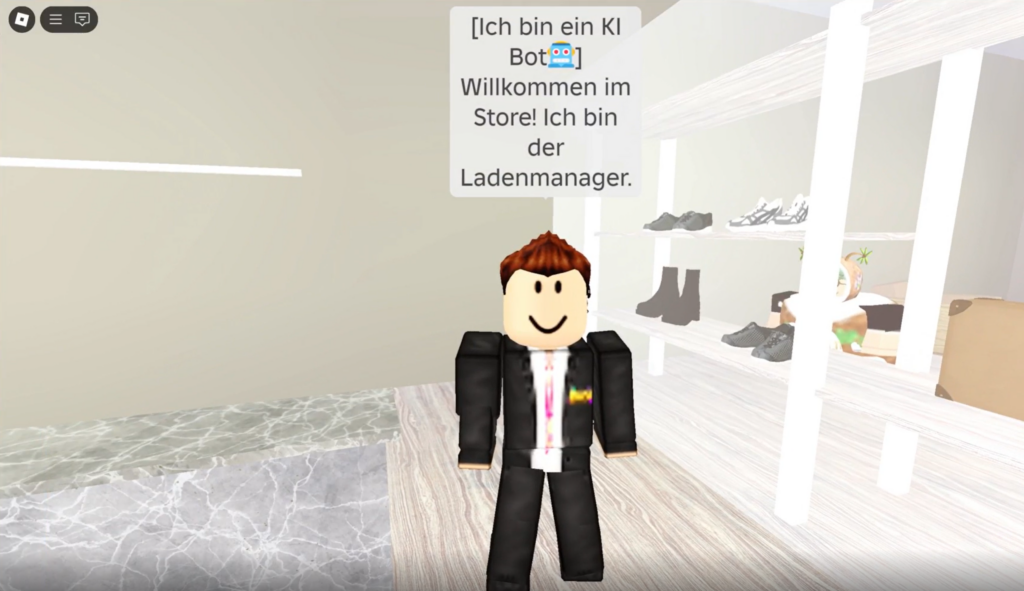
Social bots shall in any case be labeled as such, regardless of whether or not they involve AI systems.
Legal Explanation
To protect users, it is recommended to label social bots regardless of the use of AI systems. The labeling of social bots is mandatory only if they involve AI systems or when used on social networks.
AI systems that interact with humans must be identified aus such, if the use of AI sytems is not obvious to the user (Art. 50(1) AI Act). In addition, under state law, there is a labeling requirement for users who deploy social bots on social networks (Sec. 18(3) MStV). Platform operators are not directly bound by this obligation, but must technically provide the possibility for labeling (Sec. 93(4) MStV). This results in an obligation to enable labeling and to establish transparency regarding automated communication.
Design proposal: 'Labeling of Social Bots'
If social bots are deployed on platforms, they should be clearly labeled so that it is readily apparent to users that these are computer-controlled avatars rather than human beings. The bots should be labeled prior to any interaction, ensuring that users are informed in advance that they are interacting with a bot. Furthermore, transparent information regarding data processing shall be provided, particularly concerning data collection, data storage and the data processors involved, as well as the AI systems used, including their functionality and deployment objectives.
There are bot-free zones.
Legal Explanation
To protect users, establishing bot-free zones is highly sensible; however, there is no corresponding legal obligation to do so.
Design proposal: 'bot-free zones'
Where social bots are used on platforms, areas should be created to which bots do not have access. These should also be clearly labelled so that they can be recognised. This ensures that genuine user interactions are preserved and that users do not have to worry that these will be compromised by bots.